
From Billable Hours to Scalable Revenue: How Consulting Firms Are Rethinking Delivery
The Breaking Point: Why Billable Hours No Longer Scale
For decades, consulting firms have relied on a simple formula: grow revenue by increasing billable hours. More clients meant more projects, more projects meant more consultants, and more consultants meant more revenue. It was predictable, measurable, and easy to manage.
But in legacy modernization—especially within regulated industries—this model is starting to break.
The core issue is structural. When revenue is directly tied to headcount, growth becomes inherently linear. Every new dollar earned requires a proportional increase in hiring, onboarding, and management overhead. This creates a ceiling on how fast—and how profitably—firms can scale.
At the same time, the cost of maintaining that model is rising. Specialized talent in legacy systems is becoming harder to find and more expensive to retain. Hiring cycles are longer, utilization targets are harder to meet, and project timelines are increasingly unpredictable.
Clients, however, are moving in the opposite direction. They expect faster delivery, tighter budgets, and clearer outcomes. In modernization programs tied to compliance mandates or system risk, delays are no longer acceptable—and inefficiencies are quickly exposed.
This tension creates a breaking point.
Consulting firms are being asked to deliver more value, in less time, with fewer resources—while still operating within a model designed for a different era.
The result is a growing mismatch between how consulting services are delivered and what the market now demands. Firms that continue to rely solely on billable hours are finding it harder to maintain margins, differentiate their offerings, or scale effectively.
The model itself hasn’t changed. But everything around it has.
Built for the Past: How the Billable Hour Model Succeeded—and Why It’s Now Failing
The billable hour model didn’t become dominant by accident. It solved real problems for consulting firms operating in a very different technological and economic environment.
For years, it provided a clear and reliable framework for growth. Revenue was predictable, utilization was measurable, and scaling the business was straightforward—hire more consultants, win more projects, and expand delivery capacity in parallel. For clients, it offered transparency: time spent translated directly into cost.
In an era where enterprise systems were relatively stable, timelines were longer, and transformation initiatives moved at a controlled pace, this model worked exceptionally well.
But those conditions no longer exist.
The nature of enterprise technology—particularly in regulated industries like banking and healthcare—has fundamentally changed. Legacy systems are more complex, more interconnected, and often poorly documented. At the same time, regulatory pressure from frameworks such as Basel IV, HIPAA, and evolving cybersecurity mandates has accelerated the urgency of modernization.
This shift has exposed several cracks in the traditional model.
First, talent constraints are becoming a structural bottleneck. The pool of professionals with deep expertise in legacy systems—COBOL, mainframes, and tightly coupled architectures—is shrinking. Those who remain command higher salaries, and onboarding new talent into these environments is slow and inefficient.
Second, the cost base is rising faster than firms can offset through billing rates. Increasing rates to protect margins is becoming less viable as clients demand cost predictability and push back on open-ended engagements.
Third, margin compression is intensifying. Competitive pressure from both traditional firms and new, technology-enabled entrants is forcing consultancies to deliver more value at lower cost. Inefficiencies that were once absorbed into long project timelines are now directly impacting profitability.
Finally, client expectations have shifted dramatically. Enterprises no longer accept prolonged discovery phases or ambiguous outcomes. They expect faster insights, tighter delivery cycles, and measurable progress—especially when modernization is tied to risk mitigation or regulatory compliance.
The result is a growing misalignment.
The billable hour model assumes that time is the primary driver of value. Today, clients are increasingly focused on outcomes, speed, and certainty. And that disconnect is where the model begins to fail.
The Profitability Illusion: When More Work Doesn’t Mean More Margin
At first glance, the economics of consulting appear straightforward: more billable hours should translate into higher revenue, and higher revenue should drive greater profitability.
In practice, that equation rarely holds—especially in legacy modernization engagements.
The issue lies in the hidden inefficiencies embedded within project delivery. While hours are billed, not all hours contribute equally to value creation. A significant portion of effort is consumed by activities that are necessary but non-differentiating—long discovery phases, manual documentation, repeated knowledge gathering, and internal alignment cycles.
This is where the illusion begins.
Firms may report strong top-line growth driven by increased utilization, yet margins remain flat—or in many cases, decline. The cost of delivering those hours rises in parallel, eroding the expected gains.
Legacy projects amplify this problem.
Undocumented systems require extended discovery just to establish a baseline understanding. Senior consultants are pulled into low-leverage tasks because they are the only ones with sufficient context. Rework becomes common as gaps in system knowledge surface late in the delivery cycle. Each of these factors adds time, but not necessarily value.
The reliance on senior talent is particularly costly. Highly experienced professionals spend a disproportionate amount of time reconstructing knowledge that should already exist—an inherently unscalable activity. Meanwhile, junior team members remain underutilized because they lack access to the context required to contribute effectively.
The result is a widening gap between revenue and profitability.
More hours are billed, but delivery costs increase at nearly the same rate. Margins become compressed, not because firms are failing to generate demand, but because the model itself introduces friction at scale.
In this context, growth becomes expensive.
And for many consulting firms, the realization is starting to set in: increasing effort alone is no longer a reliable path to increasing profit.
A New Equation: From Labor-Driven Revenue to Leverage-Driven Output
The traditional consulting model is built on a simple equation:
Revenue = Hours × Rate
For decades, this formula defined how firms grew. More hours billed meant more revenue generated. But as delivery complexity increases and margins tighten, this equation is proving insufficient.
A new model is emerging—one that shifts the focus from input to output:
Revenue = Output × Efficiency
This is more than a financial adjustment. It represents a fundamental change in how consulting value is created and delivered.
In a leverage-based model, growth is no longer constrained by headcount. Instead, it is driven by how effectively firms can amplify the capabilities of their existing teams. The goal is not to work more hours, but to produce more outcomes within the same—or even fewer—hours.
This shift reframes the role of effort in consulting delivery. Time becomes a constraint to optimize, not a metric to maximize. The emphasis moves toward accelerating insight, reducing redundant work, and increasing the consistency of delivery.
It also changes how firms think about talent. Instead of relying heavily on a small pool of senior experts, leverage-based delivery enables broader teams to operate at a higher level. Knowledge is no longer locked within individuals—it is captured, structured, and made accessible across the organization.
The implications are significant.
Firms that adopt this model can decouple revenue growth from hiring cycles. They can take on more projects without proportionally increasing costs. They can deliver faster while maintaining—or improving—quality.
Most importantly, they can begin to scale in a way that the traditional model never allowed.
This is the transition from effort-driven consulting to capability-driven consulting. And it is quickly becoming the defining factor between firms that grow linearly—and those that scale exponentially.
Redefining Delivery: What Scalable Consulting Actually Looks Like in Practice
Shifting from a labor-based model to a leverage-based model is not just a conceptual change—it fundamentally reshapes how consulting delivery operates day to day.
Scalable consulting delivery is defined by consistency, speed, and the ability to replicate success across engagements without rebuilding from scratch each time. It replaces ad hoc execution with structured, repeatable systems that reduce dependency on individual expertise.
Faster Discovery
One of the most immediate transformations occurs in the discovery phase.
Traditionally, discovery is time-intensive and heavily reliant on senior consultants. Teams spend weeks—sometimes months—trying to understand undocumented systems, map dependencies, and define scope. This slows down proposal cycles and introduces risk early in the engagement.
In a scalable model, discovery is accelerated through structured analysis and pre-built intelligence layers. Teams can quickly interpret system architecture, identify key components, and generate actionable insights in a fraction of the time.
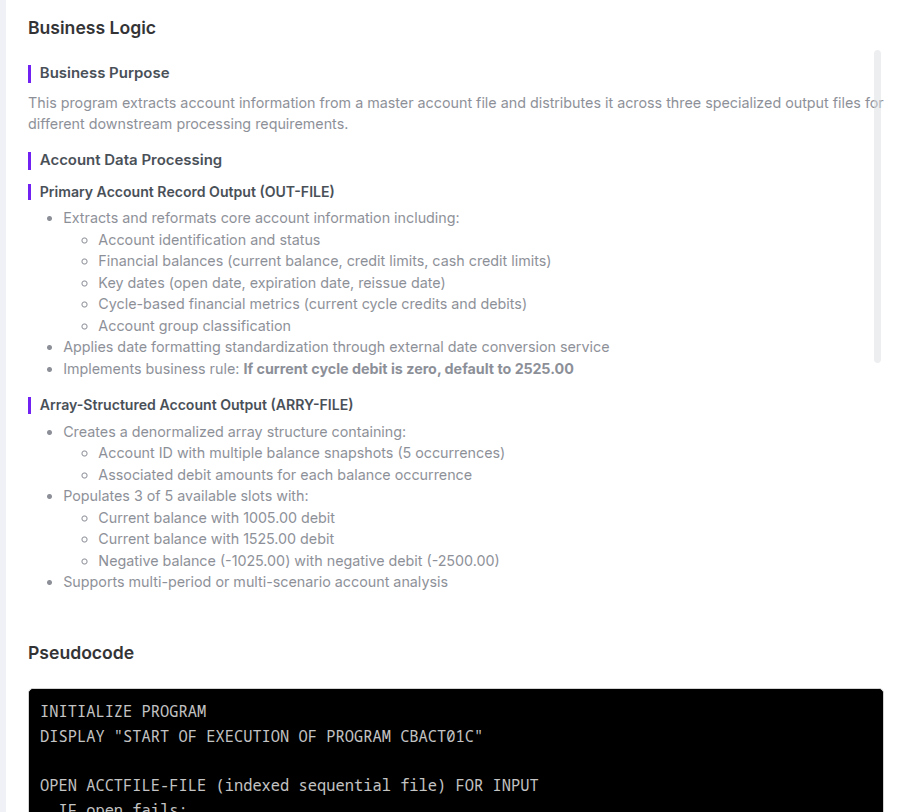
This not only shortens time-to-start but also improves proposal accuracy, reducing downstream rework and scope creep.
Standardized Processes
Scalable delivery depends on repeatability.
Instead of reinventing workflows for every project, firms adopt standardized processes that guide execution from discovery through delivery. These processes reduce variability, ensure quality, and make outcomes more predictable.
Standardization also enables better resource allocation. Teams can plug into defined workflows without requiring extensive ramp-up, allowing firms to scale delivery across multiple engagements simultaneously.
Knowledge Reusability
In traditional consulting, knowledge is often siloed within individual projects—or worse, within individual consultants.
Scalable firms treat knowledge as a reusable asset.
Insights, system mappings, documentation, and transformation patterns are captured and carried forward into future engagements. This eliminates redundant work and accelerates subsequent projects.
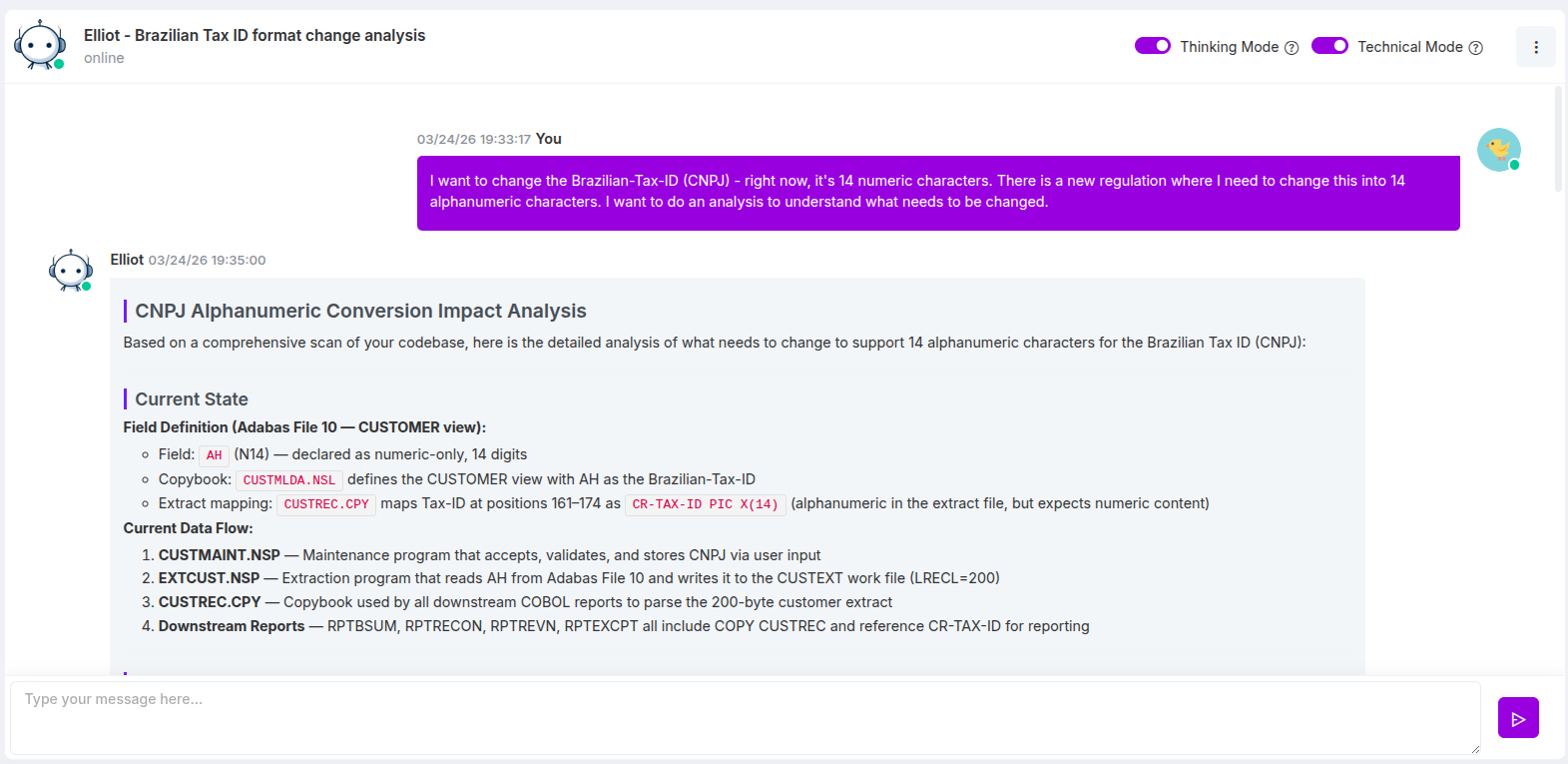
Over time, this creates a compounding advantage. Each project becomes faster and more efficient than the last, not because teams are working harder, but because they are building on an expanding foundation of reusable intelligence.
Smaller, More Effective Teams
Perhaps the most visible change is in team structure.
Instead of large teams with heavy reliance on niche specialists, scalable delivery models favor lean, high-impact teams supported by automation and structured knowledge. Junior and mid-level consultants can contribute more effectively because they have access to the context and tools previously limited to senior experts.
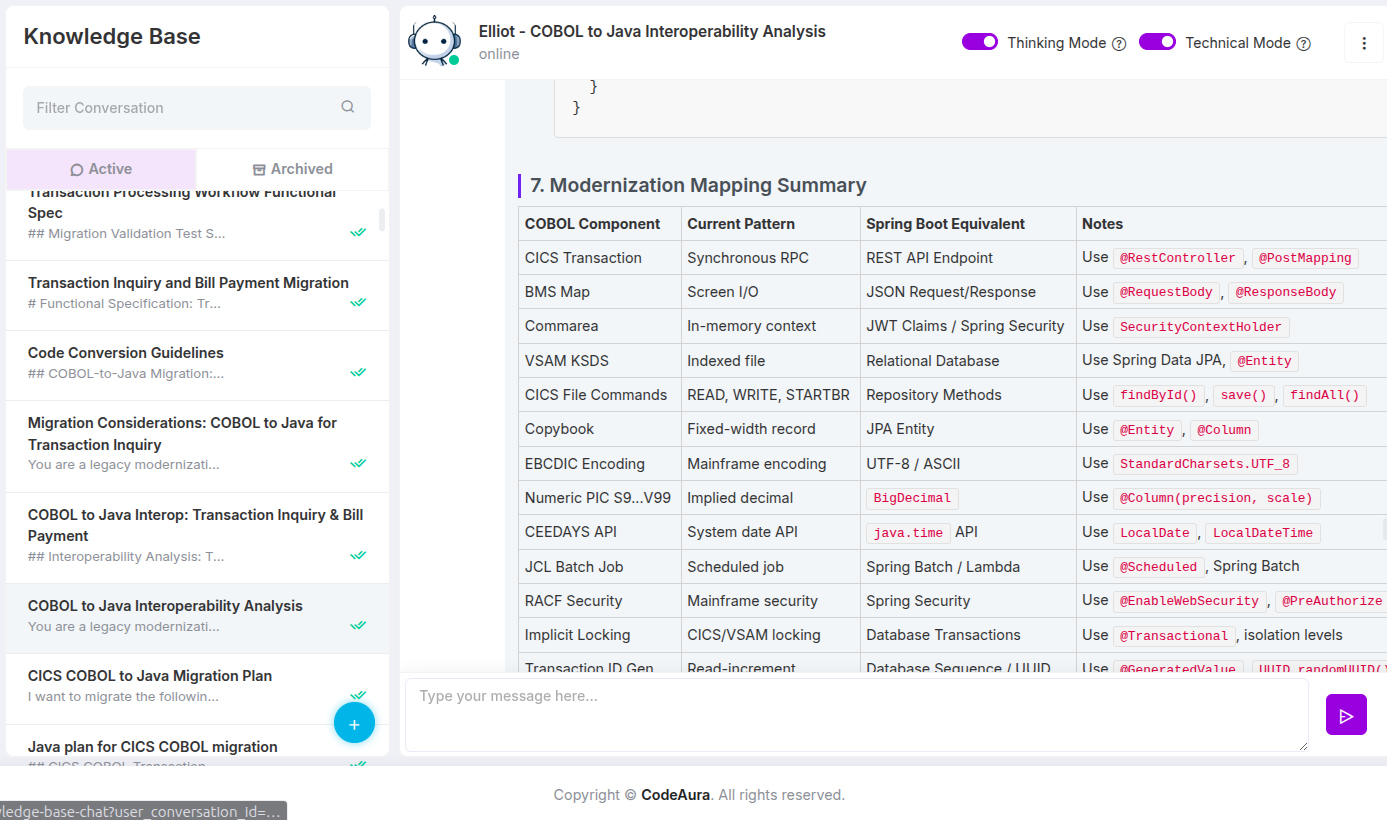
This reduces delivery cost while maintaining—or even improving—output quality.
The end result is a consulting model that is no longer constrained by the size of the team, but empowered by the systems that support it.
The Leverage Layer: How CodeAura Transforms Consulting Economics
The shift to scalable consulting delivery requires more than process change—it requires a new operational layer that amplifies team capability, reduces inefficiencies, and embeds intelligence directly into delivery workflows.
This is where CodeAura operates.
Rather than replacing consultants, CodeAura acts as a force multiplier—enabling teams to deliver more output, with greater consistency, and at a lower cost base.
Increasing Developer Output
One of the most immediate impacts is on developer productivity.
CodeAura provides AI-driven code analysis, generation, and contextual understanding of legacy systems. Instead of manually interpreting outdated or undocumented codebases, teams can interact with systems through a structured, intelligent interface.
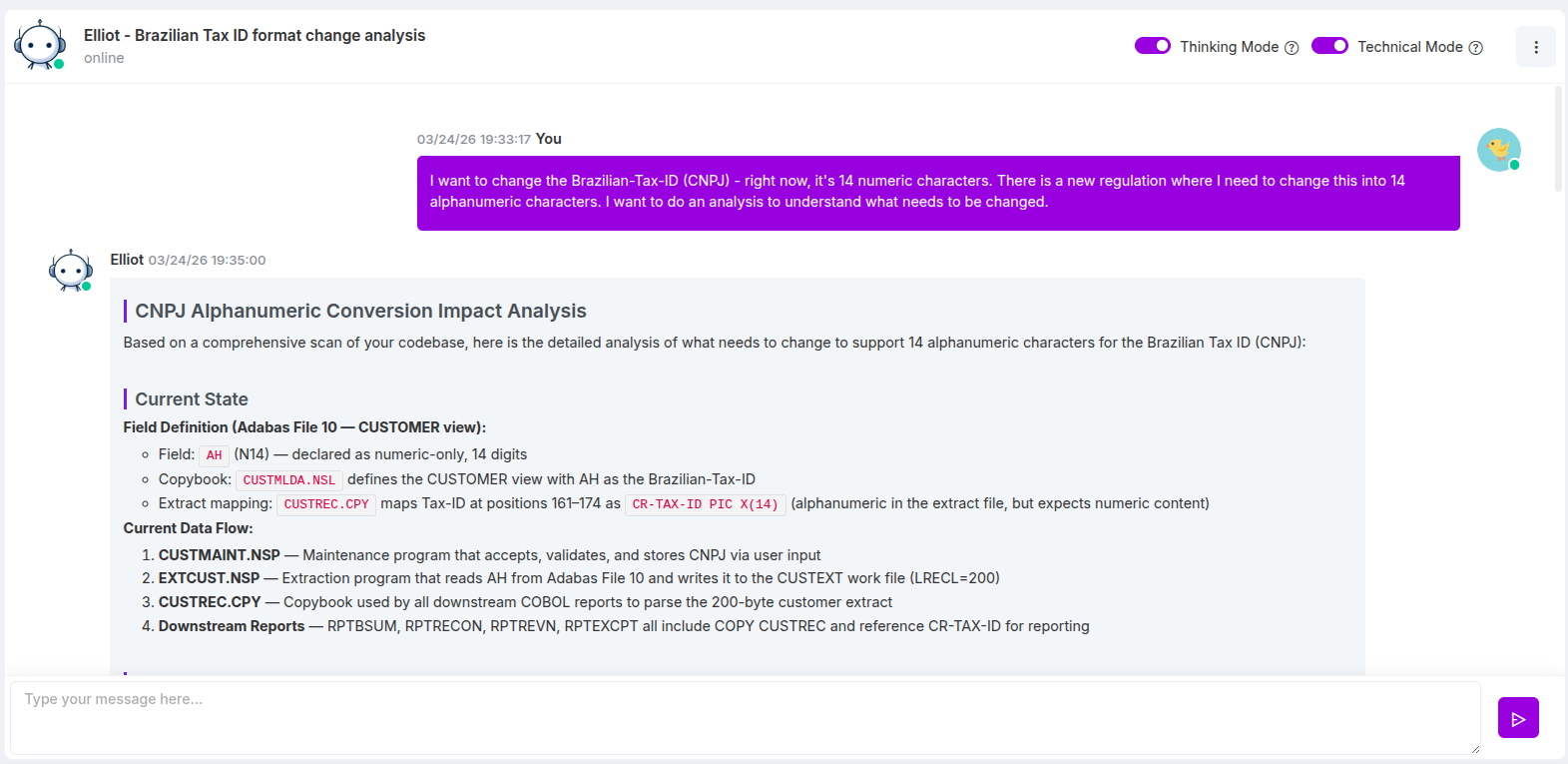
This fundamentally changes how work gets done. Tasks that previously required deep expertise and significant time investment—such as tracing dependencies or understanding business logic—can now be completed faster and with greater accuracy.
The result is a measurable increase in output per developer, without increasing headcount.
Reducing Time Spent on Non-Billable Work
A significant portion of consulting effort is traditionally spent on activities that are necessary but not directly billable—documentation, knowledge transfer, and internal alignment.
CodeAura automates much of this overhead.
By generating comprehensive documentation, system diagrams, and contextual insights in real time, it eliminates the need for manual reconstruction of knowledge.
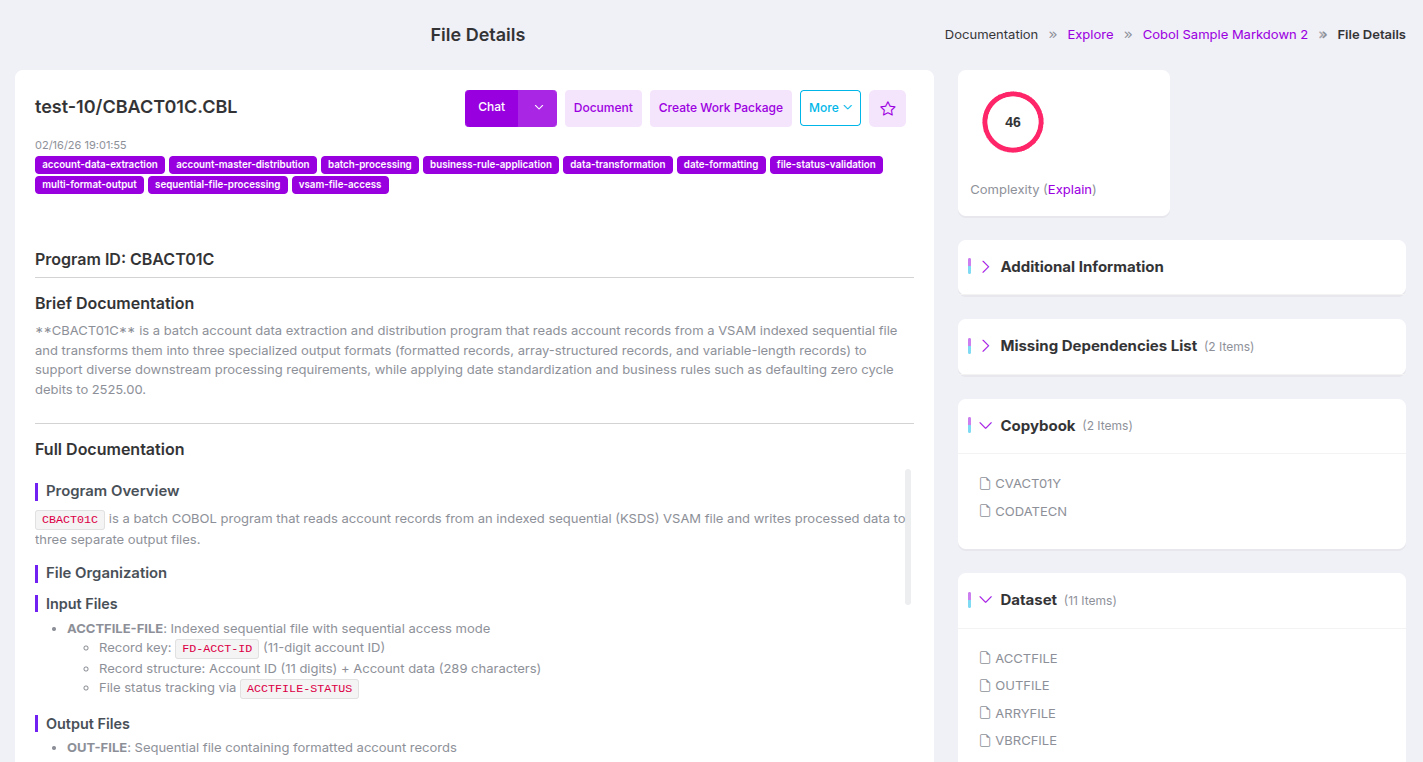
This reduces time spent on discovery and context gathering, allowing teams to focus on higher-value activities that directly impact delivery outcomes.
Standardizing Delivery
Consistency is a critical requirement for scalable consulting.
CodeAura introduces structured workflows that align with modernization best practices, ensuring that projects follow a repeatable and optimized path from discovery through transformation.
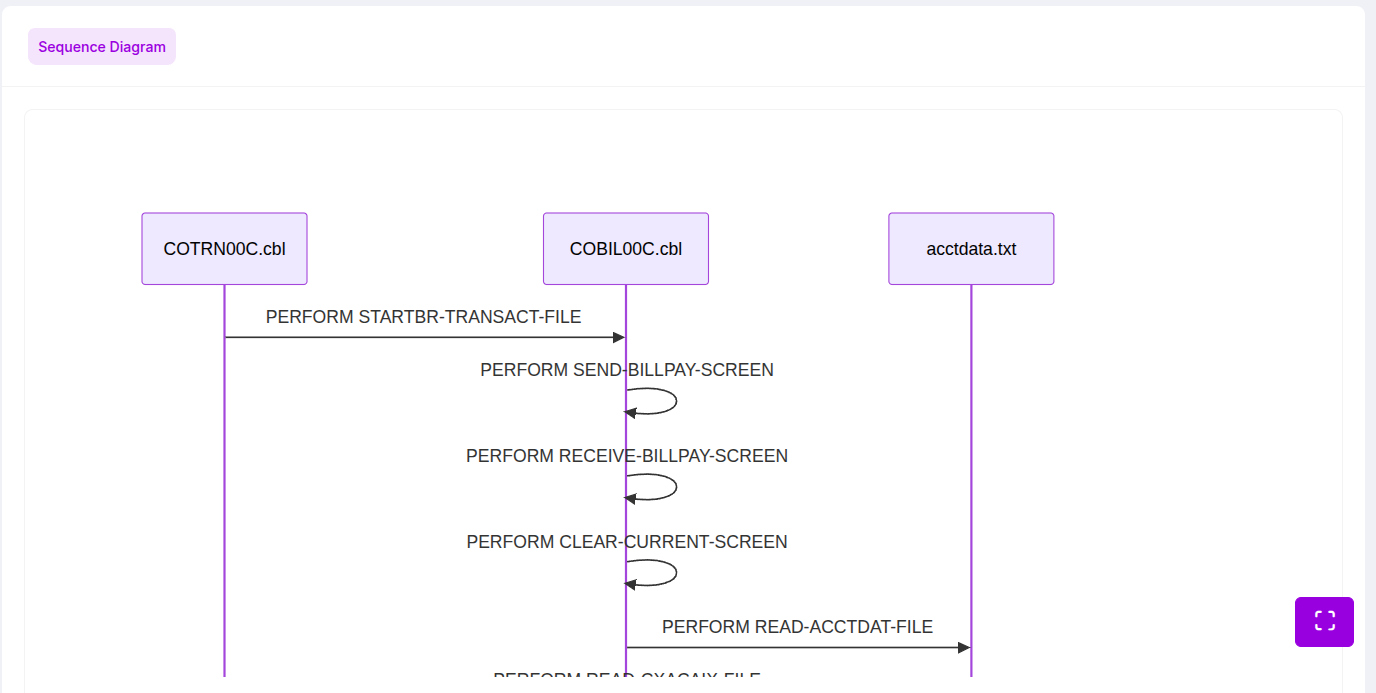
These workflows reduce variability across engagements, making delivery more predictable and easier to manage at scale. Teams no longer rely on individual approaches—they operate within a standardized system that drives efficiency and quality.
Enabling Knowledge Reuse
Perhaps the most strategic advantage lies in knowledge retention and reuse.
CodeAura captures insights from every interaction—system analysis, documentation, transformation patterns—and makes them accessible across projects. This creates a continuously evolving knowledge base that compounds in value over time.
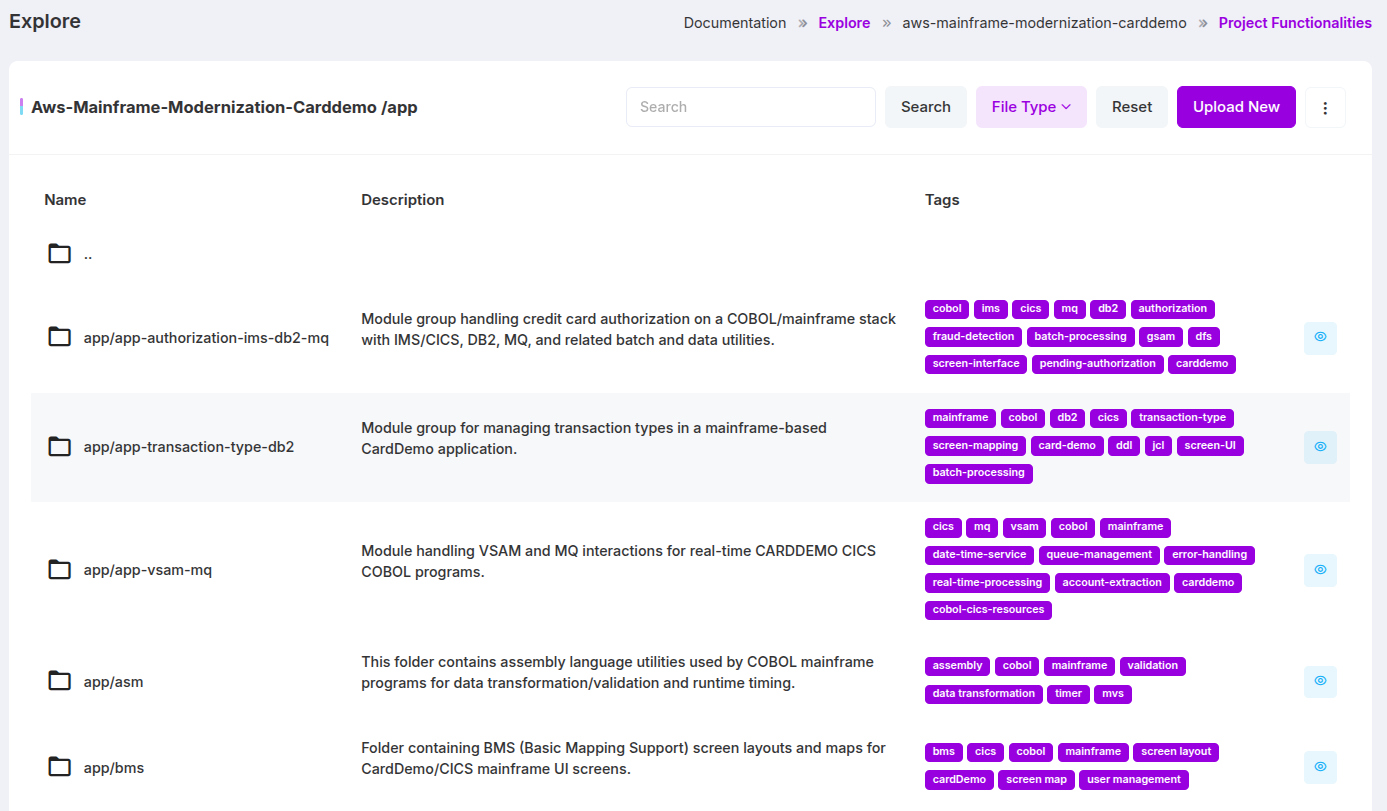
Instead of starting from zero with each new engagement, teams build on prior work. This accelerates delivery, reduces duplication, and enables firms to scale expertise beyond individual consultants.
In effect, CodeAura transforms consulting from a people-dependent model into a system-enabled one—where knowledge is persistent, delivery is structured, and output is amplified.
From Cost Centers to Growth Engines: The Measurable Business Impact
For consulting leaders, the shift to scalable delivery is not just an operational improvement—it is a financial transformation. The introduction of leverage through platforms like CodeAura directly impacts the metrics that matter most at the executive level: revenue efficiency, margin expansion, and growth capacity.
The most immediate effect is an increase in revenue per employee.
When teams are able to deliver more output without a corresponding increase in headcount, each consultant effectively generates more value. This breaks the linear relationship between hiring and revenue, allowing firms to scale without the delays and costs associated with talent acquisition. Over time, this creates a structurally more efficient business model—one where growth is driven by capability, not capacity.
Margins also improve in a measurable way.
By reducing time spent on non-billable activities, minimizing rework, and lowering dependency on high-cost senior talent, delivery costs decrease while maintaining—or improving—quality. Projects become more predictable, reducing the risk of overruns that erode profitability. The cumulative effect is a healthier margin profile across engagements.
This efficiency gain also accelerates project turnover.
Faster discovery, streamlined execution, and reusable knowledge enable firms to complete engagements in shorter timeframes. This increases annual project capacity without increasing team size—effectively expanding revenue potential within the same operational footprint.
Beyond internal metrics, there is a clear impact on market positioning.
Firms that can deliver faster, with greater consistency and at a lower cost, gain a competitive advantage in both pricing and value proposition. They are better equipped to meet client expectations around speed, transparency, and outcomes—particularly in high-stakes modernization initiatives tied to compliance and risk.
This shifts the perception of consulting from a cost center to a strategic growth partner.
Instead of being evaluated solely on effort and time, firms are increasingly judged on their ability to deliver outcomes efficiently and predictably. Those that embrace scalable delivery are not just improving operations—they are redefining how value is created and captured in consulting.
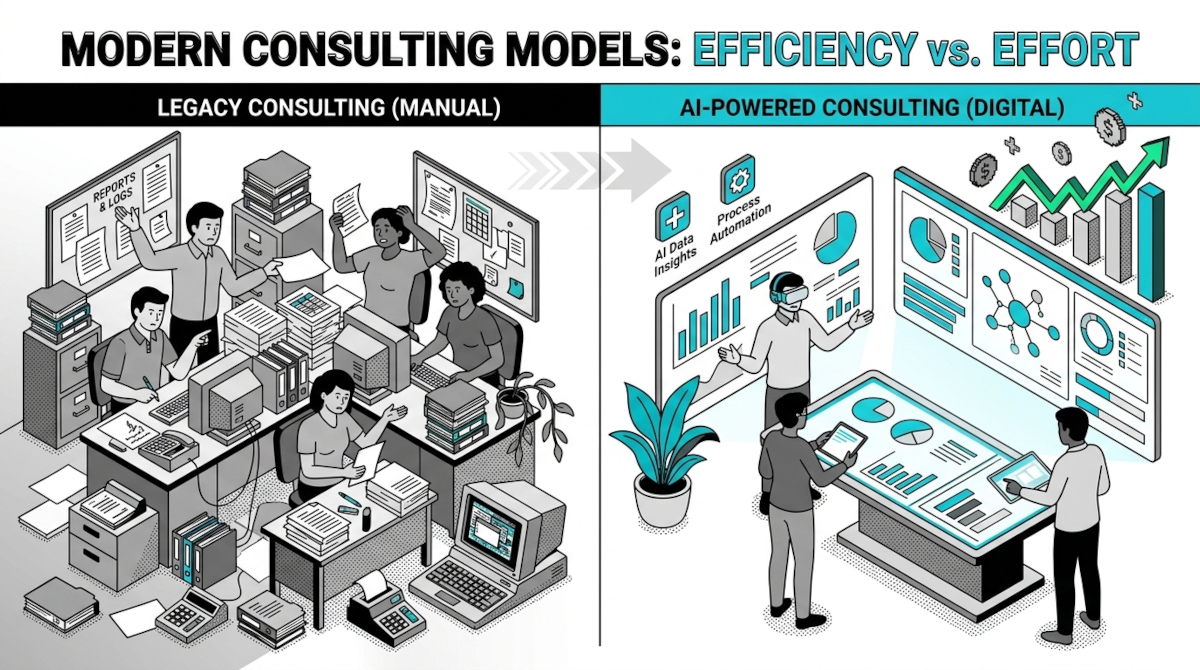
Before vs After: The Consulting Model Transformation
The Future of Consulting: Scaling Expertise Without Scaling Headcount
The consulting industry is approaching an inflection point.
For decades, competitive advantage was defined by the depth of expertise and the ability to deploy that expertise through large teams. But as delivery expectations accelerate and economic pressures intensify, expertise alone is no longer enough.
The defining question for consulting leaders is changing.
It is no longer: How many skilled people can we hire?
It is now: How effectively can we scale the expertise we already have?
This shift has profound strategic implications.
Firms that continue to operate within a purely billable-hours framework will find themselves constrained by talent availability, rising costs, and diminishing margins. Growth will remain linear, tied directly to hiring capacity and utilization targets.
In contrast, firms that embrace scalable delivery models—enabled by AI, structured workflows, and persistent knowledge systems—unlock a different trajectory.
They move from scarcity to leverage.
Expertise is no longer limited to individuals. It is captured, systematized, and made accessible across teams. Delivery becomes faster, more predictable, and less dependent on specific resources. Organizations gain the ability to take on more work, in less time, without proportionally increasing cost.
This is where the competitive gap begins to widen.
Early adopters of scalable consulting models are not just improving efficiency—they are redefining client expectations. Speed, transparency, and outcome certainty become the new baseline. Traditional firms, operating without these capabilities, are forced to compete on a structurally disadvantaged footing.
At the leadership level, this is no longer an operational decision. It is a strategic one.
Consulting is evolving from a labor-driven service model into a capability-driven platform model. The firms that recognize and act on this shift will position themselves for sustained, scalable growth.
Those that do not will continue to grow—but only as fast as they can hire.
The question is no longer how many people you can add to a project.
It is how much output your existing team can generate—and how effectively that output can be scaled.