
The CNPJ Change Is Coming
Brazil’s alphanumeric CNPJ may look like a small identifier update, but for many enterprises it creates a much broader system-readiness challenge. Starting in July 2026, Receita Federal will begin assigning alphanumeric CNPJs to new registrations, while existing numeric CNPJs will remain valid. The format keeps the familiar 14-position structure, but organizations can no longer assume that every CNPJ value will be numeric-only.
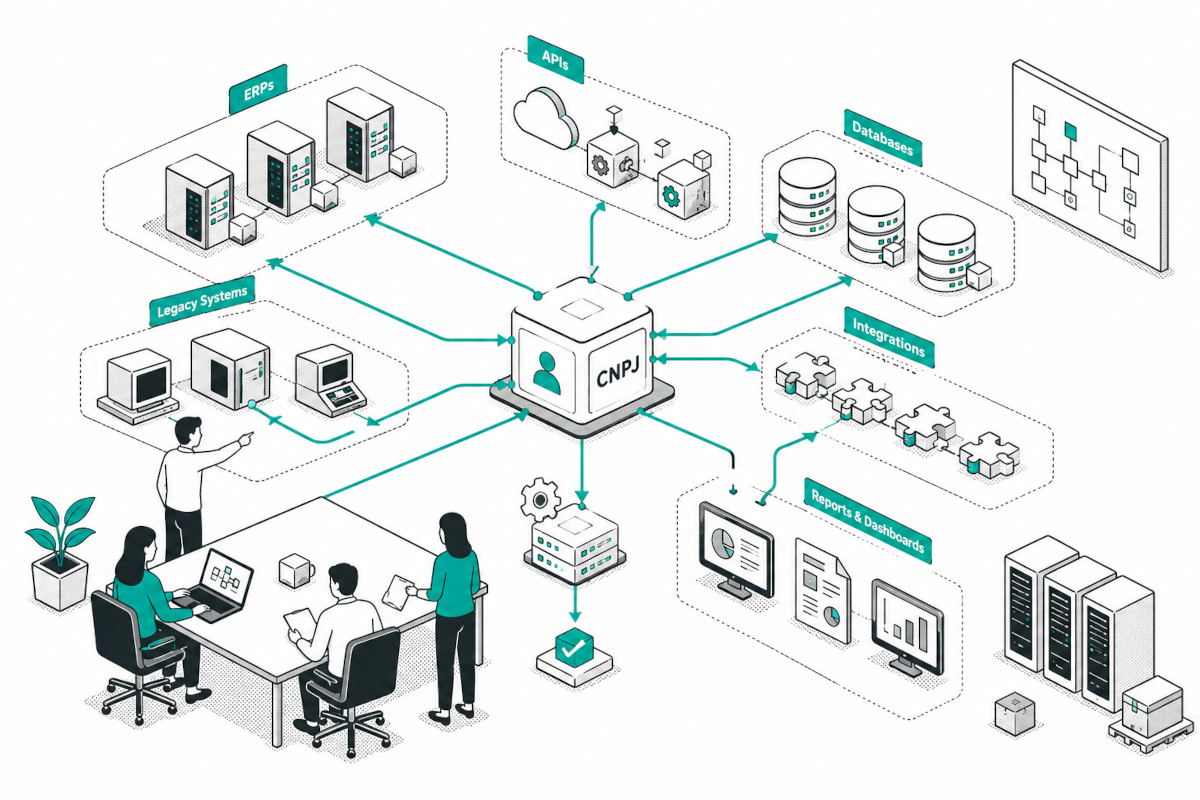
That matters because CNPJ is rarely contained in one system. It often appears across ERP platforms, databases, APIs, fiscal integrations, validation routines, reports, data pipelines, batch jobs, and legacy code. A field that once looked like a simple business identifier may be embedded in technical rules, operational workflows, vendor integrations, and compliance processes. The campaign brief frames this article around exactly that issue: moving readers from awareness of the risk to action with a structured readiness partner.
For CIOs, CTOs, enterprise architects, ERP owners, tax technology leaders, and modernization teams, the question is no longer whether the CNPJ format is changing. The question is whether their systems can support the change without disruption. CodeAura helps organizations turn that uncertainty into a structured readiness program: discover where CNPJ exists, analyze what may break, implement the required changes, and support custom remediation for complex enterprise environments.
Why Readiness Is Broader Than Validation
Some organizations may be tempted to treat the alphanumeric CNPJ as a small technical adjustment: update a validation rule, change a regex pattern, adjust an input mask, and move on. That approach is risky because CNPJ is not just a front-end field. In many enterprise environments, it functions as a core business identifier that moves through applications, data models, integrations, fiscal workflows, operational reports, and legacy processes.
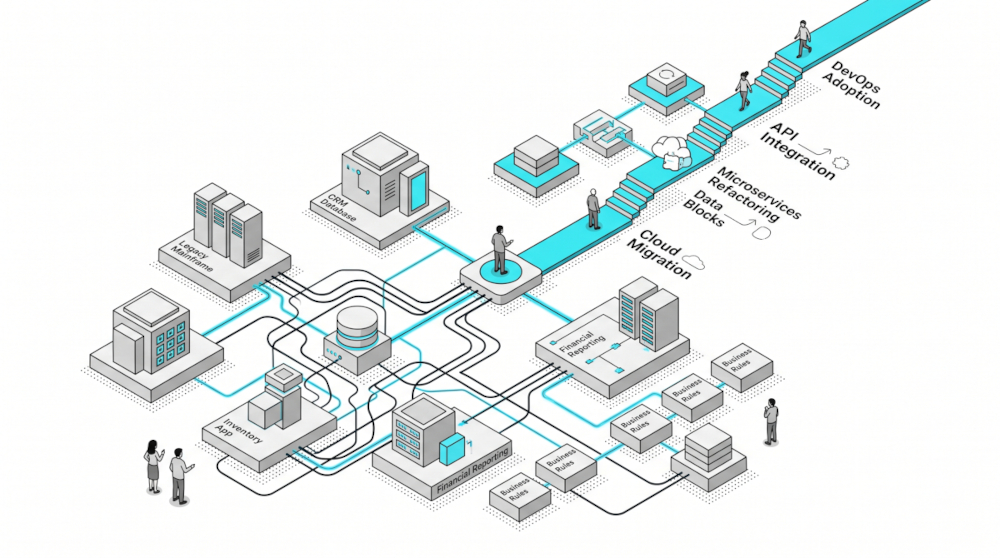
A CNPJ value may appear in ERP vendor records, CRM customer profiles, supplier onboarding workflows, billing and invoicing systems, fiscal integrations, API payloads, database columns, BI dashboards, ETL jobs, batch processes, test cases, and shared validation libraries. In older systems, the assumption that CNPJ is numeric-only may be buried in COBOL programs, stored procedures, scripts, mainframe jobs, or custom ERP extensions. That assumption may not be visible until a new alphanumeric value fails validation, breaks an integration, truncates in a database field, or creates an exception in a downstream process.
This is why readiness must begin with scope, not code changes. Before teams can safely update affected systems, they need to know where CNPJ exists, how it is used, which systems depend on it, and which business workflows may be affected. CodeAura is designed for this kind of system-understanding challenge: it helps enterprises document codebases, extract business logic, analyze dependencies, and build the intelligence layer needed before modernization or remediation work begins.
CodeAura’s Readiness Approach: Discover, Analyze, Change, Customize
Preparing for the alphanumeric CNPJ requires a structured approach. Enterprises need to move in the right sequence: first identify where CNPJ appears, then understand which references create risk, then update affected systems, and finally address complex scenarios that require tailored remediation.
CodeAura supports this process through four practical service paths:
Discovery helps organizations find where CNPJ exists across code, databases, APIs, ERPs, reports, configuration files, integrations, workflows, and legacy systems.
Analysis helps teams determine what matters: which systems assume numeric-only values, which validation rules may fail, which database fields or API schemas may need adjustment, and which business processes should be prioritized.
Code Changes supports implementation work once affected logic, fields, integrations, and workflows have been identified.
Custom supports complex enterprise environments where CNPJ readiness spans mainframes, COBOL, custom ERP systems, fiscal integrations, vendor dependencies, regulated workflows, or business-critical transaction systems.
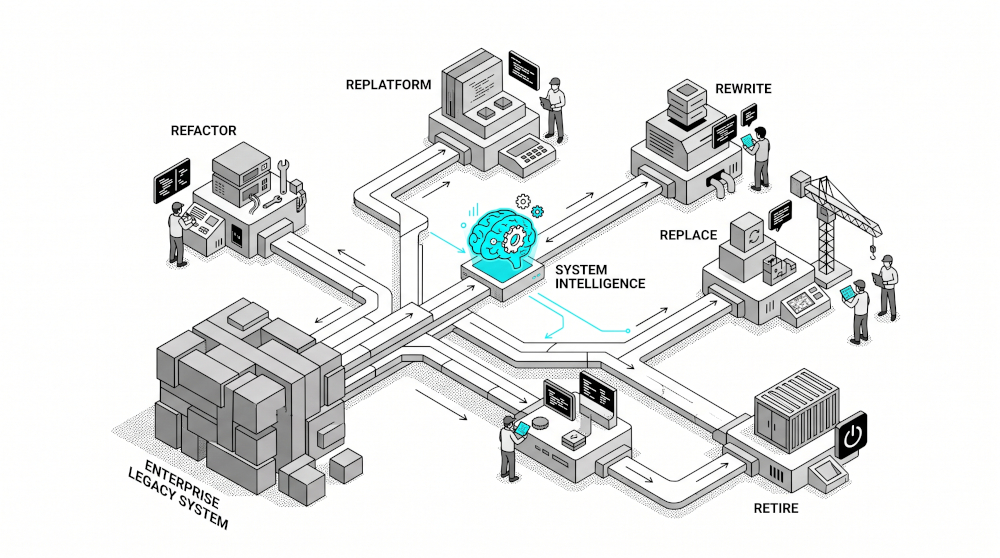
This mirrors CodeAura’s broader modernization logic: Document, Understand, Modernize. First, create visibility into the current environment. Then, turn that visibility into actionable system intelligence. Finally, use that context to make controlled changes. For CNPJ readiness, that means enterprises should not start with isolated patches. They should start by understanding the full CNPJ footprint and then modernize the affected parts with context.
Package 1 — Discovery
The first step in CNPJ readiness is finding the full footprint. Many organizations know where CNPJ appears in their main ERP or tax systems, but fewer have a complete view across source code, databases, configuration files, APIs, reports, ETL jobs, batch processes, validation libraries, and legacy applications.
That visibility matters because the alphanumeric CNPJ change can affect any system that assumes CNPJ is numeric-only. A hardcoded validation rule, a database constraint, a report filter, a file layout, a batch job, or an integration mapping may all depend on the old assumption. Without discovery, teams risk fixing the obvious systems while missing hidden dependencies that can fail later in testing or production.
CodeAura Discovery helps enterprises identify where CNPJ appears across their technology and business environment. This can include repositories, documentation, system artifacts, business rules, ERP customizations, CRM workflows, fiscal integrations, and legacy code paths. The goal is not only to search for a field name. It is to build a practical map of where CNPJ is used, how it moves, and which systems may require deeper assessment.
Reader takeaway: You cannot fix what you have not found.
Best fit: Start with Discovery if you do not have a clear map of where CNPJ appears today across systems, code, APIs, databases, integrations, and workflows.
Package 2 — Analysis
Discovery shows where CNPJ appears. Analysis determines which references actually matter, what may break, and what needs to be prioritized. This distinction is important because not every CNPJ reference creates the same level of risk. A label in a report is different from a numeric-only database constraint. A documentation mention is different from a validation function used by multiple systems. A front-end mask is different from an API contract that connects billing, fiscal reporting, and vendor onboarding.
CodeAura Analysis helps teams assess the impact of the alphanumeric CNPJ across technical and business layers. This may include numeric-only assumptions, database field risks, validation logic, regex and mask rules, check-digit routines, API schemas, ERP workflows, fiscal integrations, reporting dependencies, batch jobs, test coverage, and business-process impact. The goal is to turn a broad list of CNPJ references into a practical remediation and testing plan.
This is where AI-assisted system intelligence becomes especially useful. CodeAura is designed to analyze codebases, extract business logic, identify dependencies, generate documentation, and help teams understand how systems behave before changes are made. For CNPJ readiness, that means teams can move beyond search results and start answering higher-value questions: Which systems are exposed? Which rules assume numeric-only values? Which integrations depend on the current format? Which workflows should be tested first?
Reader takeaway: Not every CNPJ reference has the same risk. Analysis turns discovery into an actionable plan.
Best fit: Use Analysis if you know where CNPJ appears but need to understand impact, remediation priority, and testing requirements.
Package 3 — Code Changes
Once the impacted systems and logic have been identified, enterprises need controlled implementation. CNPJ readiness is not about making isolated patches in whichever application fails first. It requires coordinated changes across the systems, rules, interfaces, and workflows that handle CNPJ values.
CodeAura Code Changes can support updates to validation functions, regex patterns, input masks, field handling, database constraints, API schemas, shared libraries, ERP customizations, test cases, data pipelines, batch jobs, legacy code paths, and technical documentation. The objective is to make affected systems ready for alphanumeric CNPJ values while preserving support for existing numeric CNPJs.
This is especially important in enterprise environments where CNPJ logic may be reused across multiple applications. A shared validation library may affect customer onboarding, supplier management, invoicing, fiscal reporting, and integrations at the same time. A database field change may require updates to downstream reports, ETL processes, API contracts, and test data. A legacy code path may require deeper analysis before remediation can be safely implemented.
CodeAura’s role is to help teams make these changes with context. Because the platform is designed to document codebases, extract business logic, analyze dependencies, and support modernization workflows, it helps reduce the risk of changing code without understanding how that code supports business operations.
Reader takeaway: CNPJ readiness requires controlled implementation, not isolated patches.
Best fit: Use Code Changes when the impacted systems and logic have been identified and are ready for remediation.
Package 4 — Custom
Some enterprise environments will not fit neatly into a standard readiness package. The CNPJ footprint may span large application portfolios, mainframes, COBOL programs, custom ERP environments, complex fiscal integrations, vendor-managed platforms, high-volume transaction systems, or Brazil-specific rules inside multi-country architectures. In these cases, organizations need more than discovery, analysis, or targeted code changes. They need a tailored readiness program.
CodeAura Custom support is designed for these complex scenarios. It can help enterprises address CNPJ readiness when the change touches legacy systems, business-critical workflows, regulated processes, specialized integrations, or custom testing requirements. This may include deeper system analysis, legacy code understanding, vendor coordination support, data migration planning, modernization sequencing, or remediation paths that must account for operational continuity.
This is where CodeAura’s broader legacy modernization capabilities become especially relevant. The platform is designed to help enterprises analyze complex codebases, generate documentation, extract business logic, map dependencies, create knowledge bases, and support legacy-to-modern migration workflows. For organizations with mainframes, COBOL, JCL, monolithic platforms, or undocumented systems, CNPJ readiness can also become an opportunity to improve system understanding and reduce future modernization risk.
Reader takeaway: Some environments need a tailored readiness program, especially when CNPJ is embedded in legacy or mission-critical systems.
Best fit: Use Custom when your CNPJ readiness challenge spans legacy systems, critical workflows, vendors, complex integrations, or regulated environments.
Which Package Is Right for You?
The right starting point depends on how much visibility your organization already has.
Choose Discovery if you do not have a clear map of where CNPJ appears today. This is the right path when CNPJ may be spread across applications, databases, APIs, ERPs, integrations, reports, and legacy systems, but the full footprint is unclear.
Choose Analysis if you know where CNPJ appears but need to understand impact. This is the right path when teams need to identify numeric-only assumptions, prioritize risky dependencies, assess validation logic, and build a remediation and testing plan.
Choose Code Changes if the impacted systems and logic have already been identified. This is the right path when teams are ready to update validation functions, input masks, schemas, constraints, shared libraries, ERP customizations, batch jobs, test cases, and documentation.
Choose Custom if your environment is complex, business-critical, or difficult to standardize. This is the right path for organizations with mainframes, COBOL, custom ERP environments, fiscal integrations, vendor dependencies, multi-country architectures, regulated workflows, or high-volume transaction systems.
The alphanumeric CNPJ change is coming in July 2026. Enterprises that wait until testing or production failures appear may find that the issue is larger than expected. CodeAura helps organizations prepare through a structured readiness path: discover the CNPJ footprint, analyze the impact, implement the required changes, and support custom remediation for complex systems.